The sentence that now guides most of our product decisions is simple: rent discovery, own the relationship.
We did not arrive there from one bad week. We arrived there after two different products, two different platform shifts, and the same business lesson showing up twice.
You can be visible and still be fragile.
Where this started
This shift did not come from one trigger.
One Saharan was one chapter. Asetena Pa was another. Different products, different timing, different mechanics, but the same conclusion: if your survival depends mostly on someone else’s distribution surface, your strategy is not finished yet.
The March 2024 update
One Saharan started in August 2023. It was our first serious media bet. We built a team, published consistently, and saw early traction. It felt like we were building a real engine.
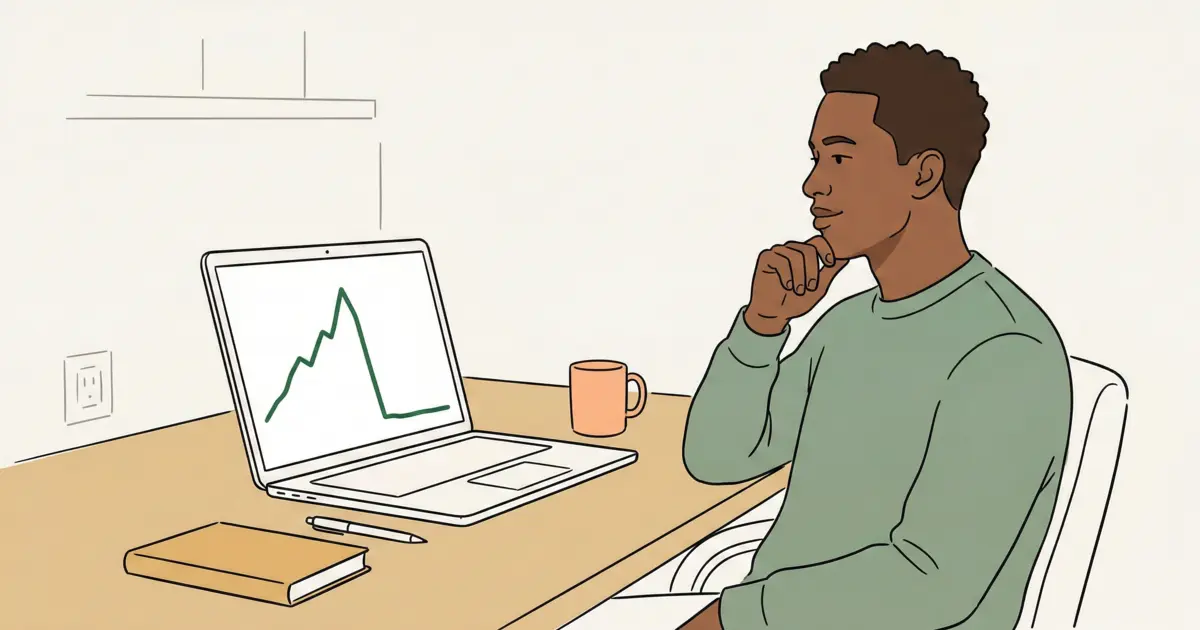
Then the March 2024 core update rolled out. Traffic dropped hard, and we never truly recovered. The December 2024 spam update brought some relief, but not enough to change the long-term direction. The growth profile we needed was gone.
By January 9, 2026, we let the domain expire.
One Saharan taught us that SEO-first media can look stable right until it isn’t.
The AI overview shift
With Asetena Pa, the pressure looked different. We were not seeing the same exact pattern as One Saharan. This time, we often saw visibility without proportional visits as AI Overviews became a bigger part of Search.
In practical terms: impressions could rise, but click-through behavior would not follow. Content could show up in search context, users would get enough information there, and the actual site visit would not happen at the same rate. That directional pattern has also been reported in external data around AI summaries in search results.
For ad-driven media, that gap is everything. The model depends on visits, not impressions alone. Revenue that had been around $50+ per month moved into the mid-teens, then at points into single digits in early 2026.
That changed our planning conversations quickly.
The new filter
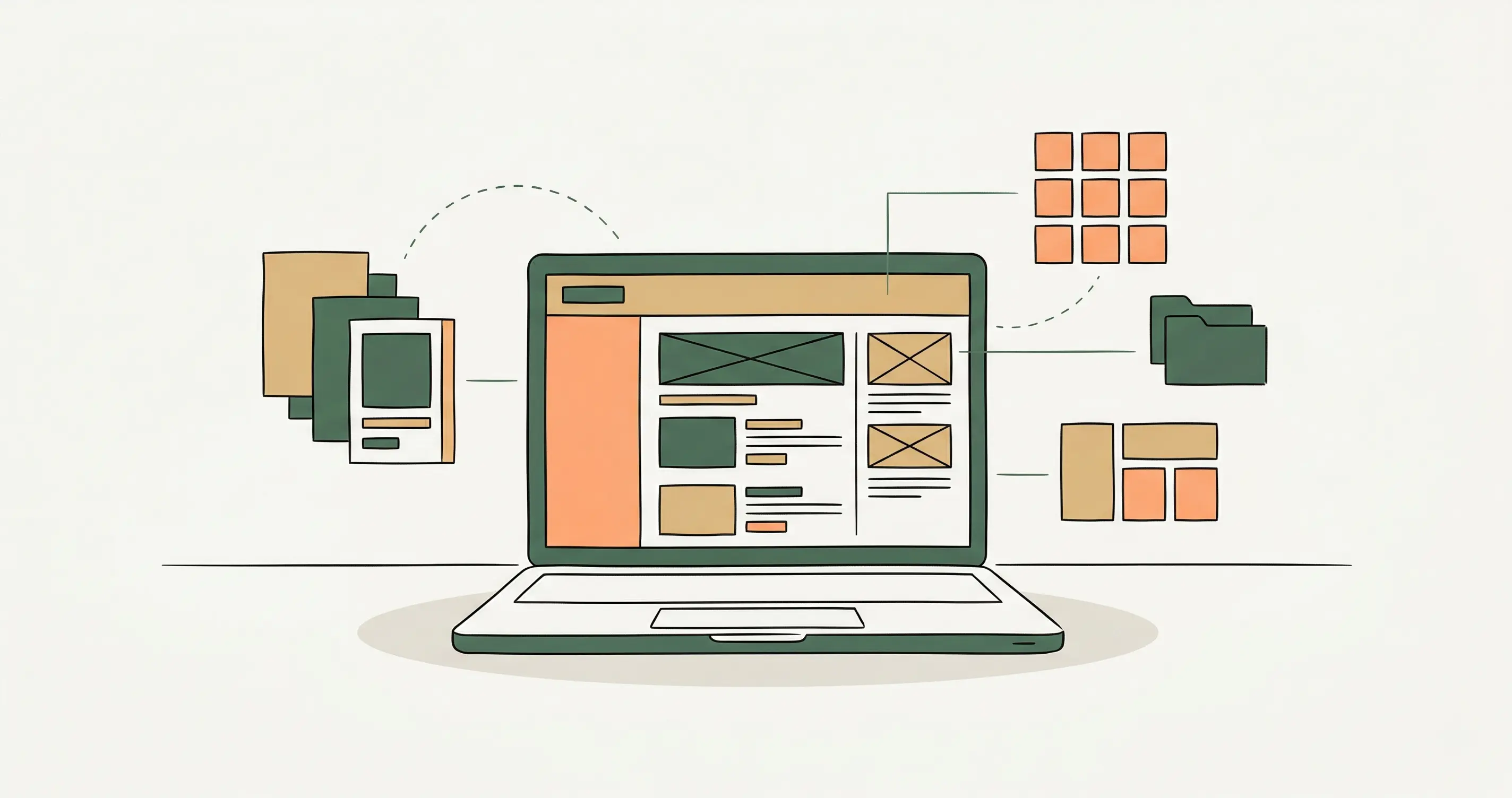
Rent discovery, own the relationship.
In practical terms, we still rent the front door:
- Search ranking surfaces
- Social feeds and recommendation loops
- App-store discovery placement
What we now optimize to own after discovery:
- Product habit and repeat usage
- Direct communication loops and community trust
- A reason for users to come back without an algorithm prompt
Those channels can still help us grow, but we no longer treat them as stable ground.
What changed in practice
When we started sronu.com in May 2025 as a website, indexing was slower than expected for months. Because the domain had been used before, it felt shadowbanned in those early months, even though we could not prove the exact cause. That period forced clarity: if discovery slows down, the product still has to move.
By August 2025, we started building the app with a different target. The target was no longer pageviews. The target was repeat use, and that direction showed up in how we shipped and measured early launch milestones and later adoption updates.
That also influenced how we thought about execution: better onboarding, better in-product learning loops, clearer reasons to return, and stronger community and offline channels to bring users back. Discovery still matters, but it is no longer our only engine.
What comes next
We are not anti-SEO. We are not anti-platform. We still use every distribution channel available.
But we no longer confuse distribution with ownership. Traffic is still useful. It is just no longer the thing we trust with survival.
The bar is simple now: if we cannot see a path to a direct, repeat relationship with users, we probably should not build it.