Charlie Cobbinah is a doctoral researcher whose work sits across decolonial discourse, African higher education, and sustainable African futures. The site needed to do more than introduce him. It had to hold research, publications, speaking engagements, essays, contact details, and a CV in one place without feeling crowded.
The job was not just to make the site look calm. It was to give very different kinds of academic material a shared structure and a publishing flow Charlie could keep using on his own.
The finished site included 11 page templates, 6 publication entries, and an editing flow where routine updates could move from CMS edit to live page in about 60 seconds.
The brief
The brief was clear from the start: build a personal academic website for Charlie’s doctoral research, publications, speaking, writing, about page, CV, and contact. The site had to feel serious enough for academic work, but simple enough for a visitor who might arrive from LinkedIn, search, or a direct recommendation and need to understand the work quickly.
Charlie pointed us to codykommers.com as a reference. That helped settle the visual direction early. The site did not need decoration or a personal-brand performance. It needed to trust the writing, stay readable for long stretches, and make the research feel properly held.
What the site needed to hold
This was not one content type repeated across a few pages. Each section had a different job, and the site only worked if those differences stayed clear.
The research page needed to hold the doctoral work itself: the central question, affiliations, methodology, themes, and intellectual influences. The publishing areas needed a different kind of structure, because publications, speaking, and writing do not behave like the same content with different labels. The handoff mattered just as much as the launch, so the CMS had to be shaped around updates Charlie could realistically manage himself.
The research page needed a clear framing of Charlie’s doctoral question, institutional affiliations, methodology, themes, and influences. The publications page needed grouping by type and link logic that respected academic status, so pieces in preparation or under review could be listed without pretending to be publicly available.
The speaking page needed a chronological archive with enough context for each event to stand on its own. The writing section needed both an index and a post template. Around those sat the quieter support pages such as About, Contact, Privacy, Terms, and the 404 page. Altogether, the project ended up with eleven distinct page templates.
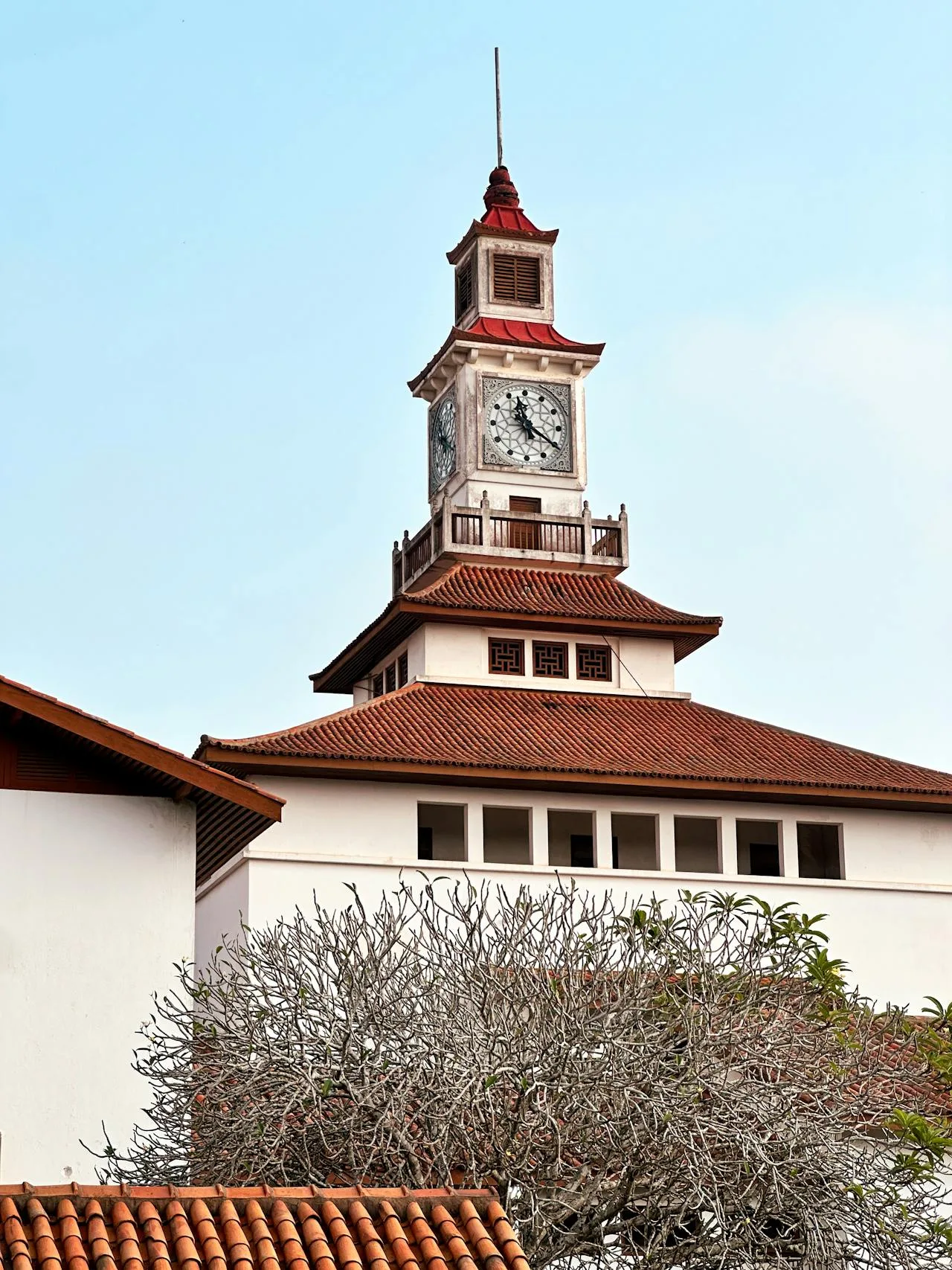
We also populated the core material from Charlie’s CV and project notes, which meant correcting assumptions as we went. One early fix was removing an incorrect University of Cape Town reference and replacing it with the real University of Ghana fieldwork context and Charlie’s collaboration with Dr Delali Amuzu.
The direction we chose
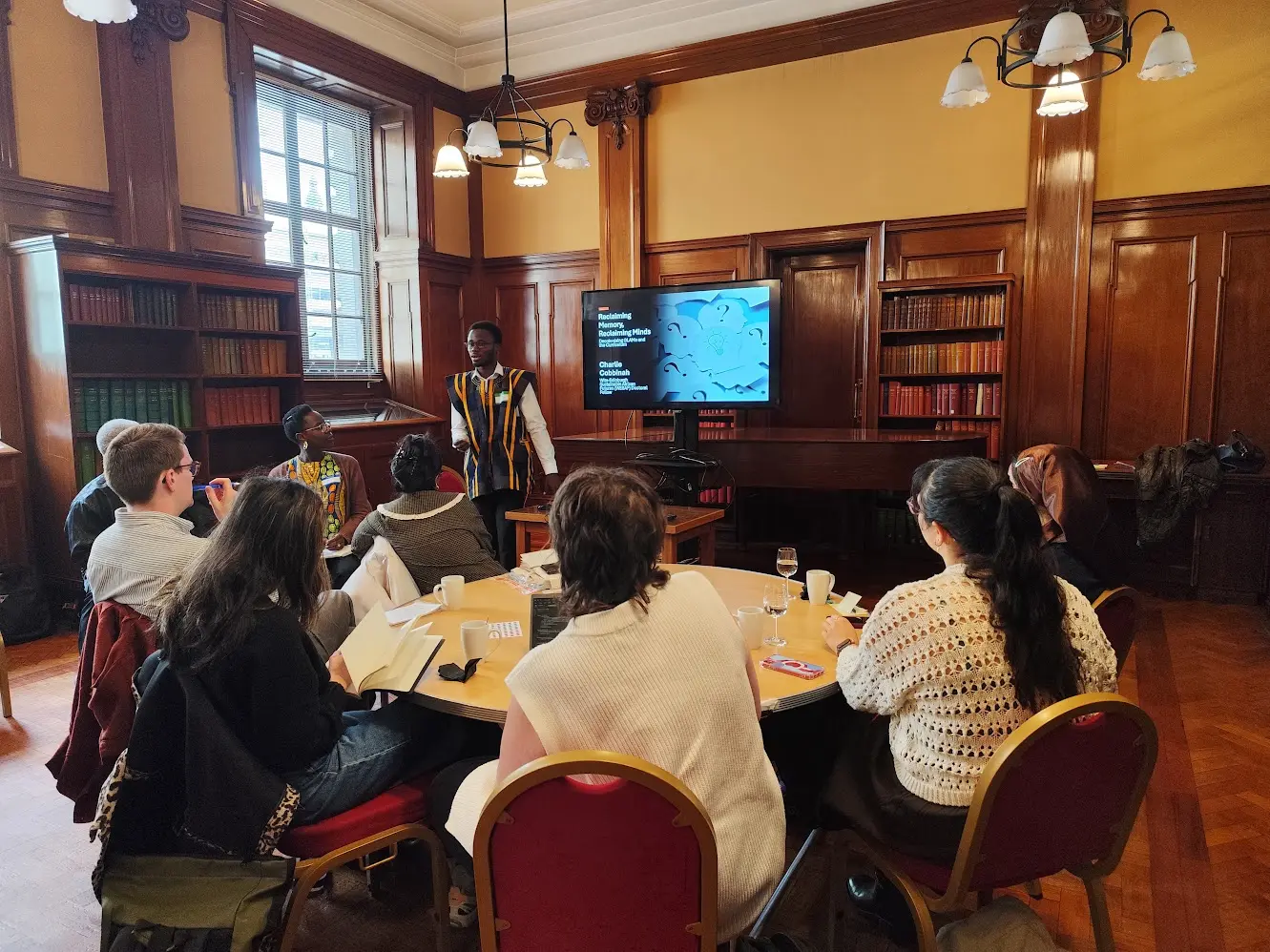
Visually, the site was built to feel editorial rather than promotional. We used a warm off-white background, dark ink, one gold accent, serif-led typography, and a persistent two-column reading layout on the main content pages. The homepage carries a full-bleed image of Charlie presenting, which grounds the site in a real academic setting instead of generic professional polish.
The design work was less about adding personality and more about removing noise. The point was to give the writing, the research question, and the publication record enough room to speak without the site becoming plain or lifeless.
How we structured the build
We built every page first as a standalone HTML prototype before moving anything into Astro. That helped settle layout, hierarchy, and page rhythm early. Once the direction was approved, we translated the prototypes into a content-driven site with a lighter stack underneath.
About and Research were treated as single documents, while publications, speaking, and writing were modeled as repeatable content types. That gave Charlie a cleaner editing experience and kept the site structure aligned with the way the content actually behaves.
Under the surface, the site runs on Astro, Tina CMS, GitHub, and Cloudflare Pages, which keeps it fast and simple to maintain. The deeper build notes, delivery fixes, and technical lessons are better told in the separate project note rather than inside the case study itself.
A separate build note covers the reusable lessons behind the project, including prototyping, CMS handoff, deployment, and metadata. The live research page and writing archive show the structure in use, but the case study stays focused on the decisions that made the system work.
Handoff and next steps
By handoff, the site was live on charliecobbinah.com, the core content had been populated from Charlie’s CV, and he could manage routine updates himself without depending on us. Google Search Console and Umami analytics were also set up so visibility and site usage could be tracked more clearly after launch.
The remaining work was deliberately smaller than the structure beneath it. The main follow-up items were a portrait photo, Charlie’s personal narrative for the About page, and replacing homepage placeholders as more writing is published.
- Add a portrait photo once the final image is supplied
- Replace the About placeholder narrative with Charlie’s own text
- Keep expanding the writing archive as new essays and commentary go live
Share this case study